Does the Allianz really need any introduction?
Your Growth Partner for SEO & AI Search across Google, ChatGPT, Claude, Gemini and Microsoft Copilot This time with results.
Radyant is an AI-native growth agencyAI-native means you don't have to track every new AI content workflow, or the weekly AI Search news about what's working and what suddenly isn't. That's our job. We're usually a step or two ahead, doing the things other agencies tell you can't be done., specialized in SEO, AI Search & Digital PR. We act as an extension of your team to drive more organic conversions.
A selection of our lovely clients <3







Which of these is true for you?
These four come up in almost every intro call. Check the ones that apply.
Nothing ticked yet.

“I discovered Niklas on LinkedIn and met him in SF in March 2026. What stood out to me: Most agencies optimize for selling the next retainer. Radyant optimizes for whether the work actually moves the metric, and it shows in how they think and what they publish. If you are a company in Europe thinking seriously about organic growth in the AI era, Radyant is one of the few teams I would point you to.”
CEO, Graphite
Graphite works with




Why you should work with us (without the average yada yada)
Every agency site promises senior people and a custom strategy. Here are four things you can check for yourself.
Reason #1
You don't work with an account manager but actual experts
There is no account layer in between. The strategists who plan your work also run it, and some of them have been doing search for more than ten years. They sit in your Slack or Teams and learn your product well enough to argue about it with your PMs. They will tell you when they think you are wrong.
 In Search since2015ObsessionmiroFred DresselPod Lead & Senior Growth Strategist
 In Search since2017ObsessionwordsLisa NordenGrowth Strategist
 In Search since2023ObsessiontechNiklas ManikowskyGrowth Strategist
 In Search since2016ObsessioncarnivalAnja WeiglPod Lead & Senior Growth Strategist
 In Search since2016ObsessionjapanFiona SchulzContent Engineering Lead
 In Search since2024Obsessionpeec aiYannick ReihsAI Search Strategy Lead
Reason #2
You get a direct line to the insights we usually only share on stage
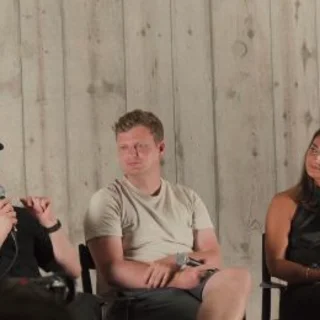
We host our own podcast and a conference (Masters of Search), regularly speak on stage at events like the OMR Conference in Hamburg or Peec AI Fireside Chats, and share our learnings in other podcasts and webinars.
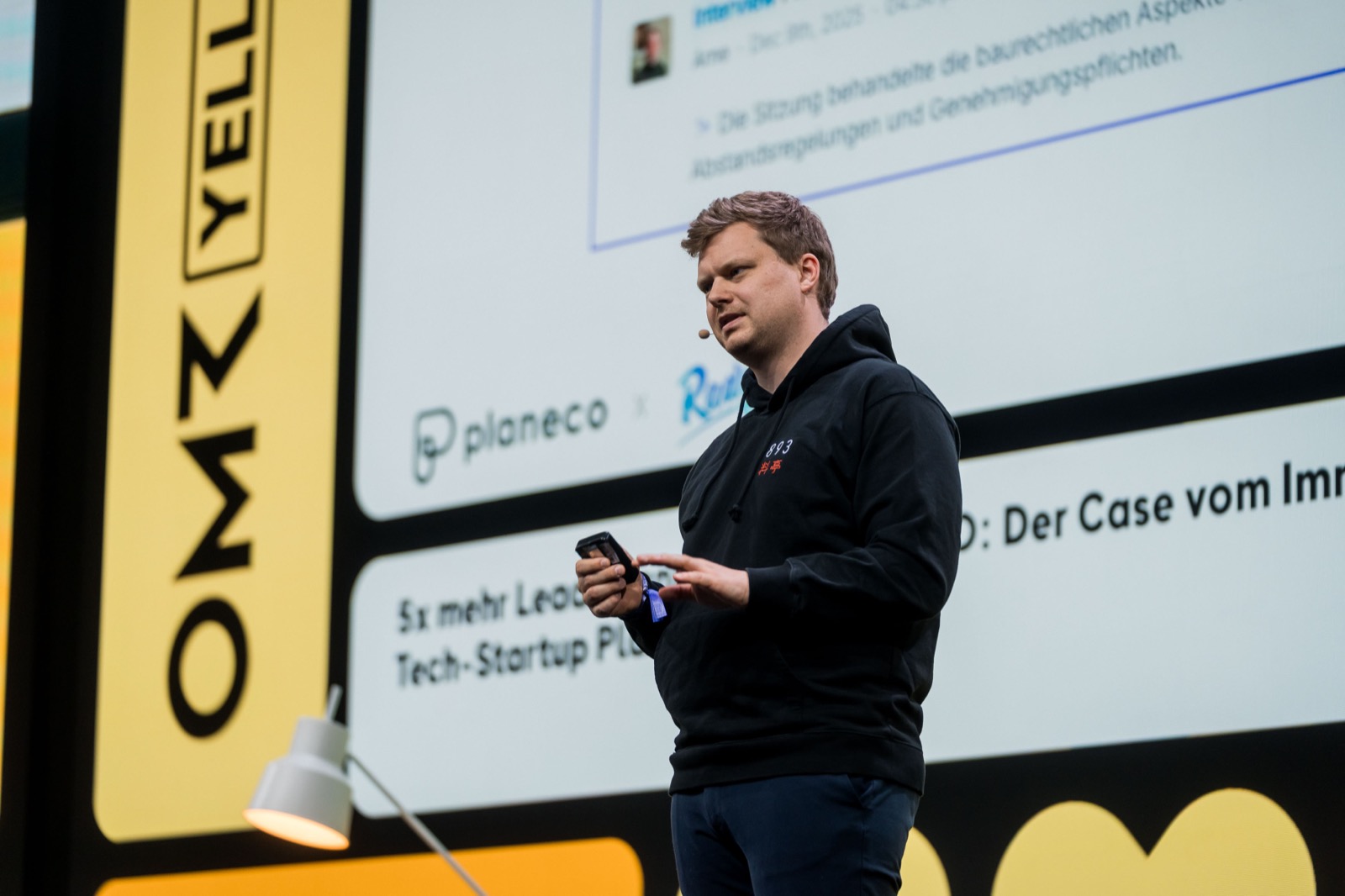
Niklas Buschner on the OMR Yellow Stage, May 2026. Photo: OMR / Kai Weise Reason #3
We find the work that actually moves your numbers
Best practice is what you fall back on when you do not know the business. So we start with yours: your analytics, your revenue platforms, and what your own team already knows. Out of that comes a picture of the topics, queries and buyers that carry commercial weight for you. Then we check how you show up for exactly those, and every action item comes out of that gap.
We collect insights across every source that already knows something
 Where your traffic already turns into something. It decides which topics we chase, so we work on the pages that earn rather than the ones that get read.
 Where your traffic already turns into something. It decides which topics we chase, so we work on the pages that earn rather than the ones that get read.
 Every query you already rank for, plus the ones you nearly do. It is the cheapest list of opportunities any site has, and most of it never gets read.
 Which leads became pipeline and revenue. It lets us work backwards from closed deals to the topics that produced them.
 Which leads became pipeline and revenue. It lets us work backwards from closed deals to the topics that produced them.
 What actually sells, and at what margin. Content follows the products worth selling rather than the ones with the search volume.
 Your sales and customer calls, where people ask their real questions in their own words. Those questions are the queries.
 Your sales and customer calls, where people ask their real questions in their own words. Those questions are the queries.
 Your sales and customer calls, where people ask their real questions in their own words. Those questions are the queries.Your own people. Sales, support and product know things about your buyers that never made it into a tool, and asking is faster than inferring it.
We build the context that decides what matters
- Topics
- Queries
- Industries
- Personas
We measure where your biggest gaps are, engine by engine






We ship only what really moves the numbers
- Optimize existing content for higher citability
- Create new commercially relevant content
- Improve offsite visibility on YouTube, LinkedIn and other platforms
- Pitch for inclusion in third-party sources
Reason #4
We build our own tools to do things others can't
We created our own tech platform (the Radyant Cockpit) to enable workflows that weren't possible with standard tools. It helps us do things like creating content pipelines that refresh existing pages semi-automatically, or providing our team with custom-tailored recommendations that use loads of data, to suggest the next item on the roadmap. The point here is that it allows us to deliver better results quicker.
Recommendations
Evidence-backed measures from the recommendation engine. Review, accept into a task, or dismiss.
 DELast run yesterday, 00:356 active recommendations
 ENLast run yesterday, 00:405 active recommendations
 DELast run yesterday, 04:5510 active recommendations
 DELast run yesterday, 01:168 active recommendations
- GDPR compliantWe handle your data carefully and provide a DPA on request
- Hosted in GermanyWe use German Hetzner servers in Falkenstein
- EU-hosted AI modelsFrontier models from Claude, Gemini & Mistral





What happened for companies that hired us
Clients who let us publish the numbers, and how we got them.
 AI Search (AEO / GEO)SEO Strategy
 How IT management platform deeploi grew organic leads by 250%
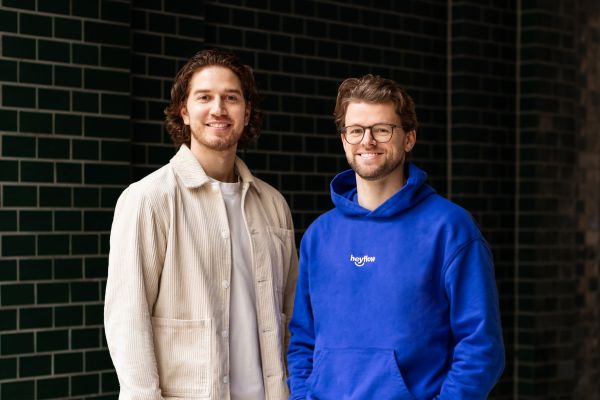 AI Search (AEO / GEO)SEO StrategyHow B2B SaaS Heyflow 3×'d MRR pipeline in 6 months
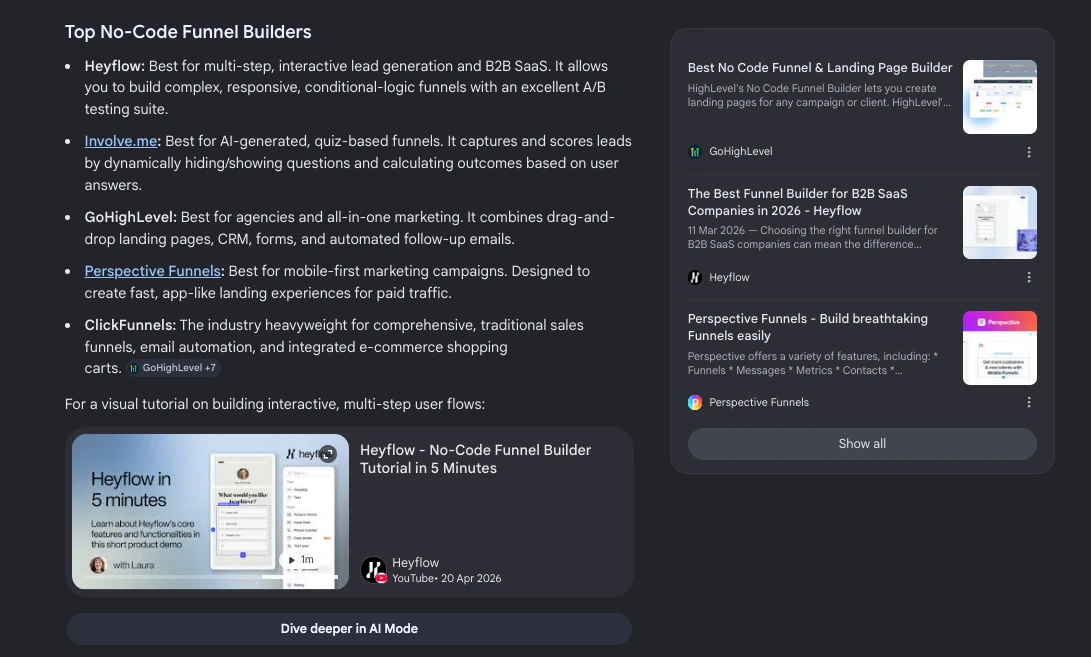 AI Search (AEO / GEO)How we helped Heyflow earn 593 brand mentions in 3 months from YouTube
 SEO StrategyAI Search (AEO / GEO)
 How we 5×'ed leads for a bootstrapped PropTech from SEO & AI Search
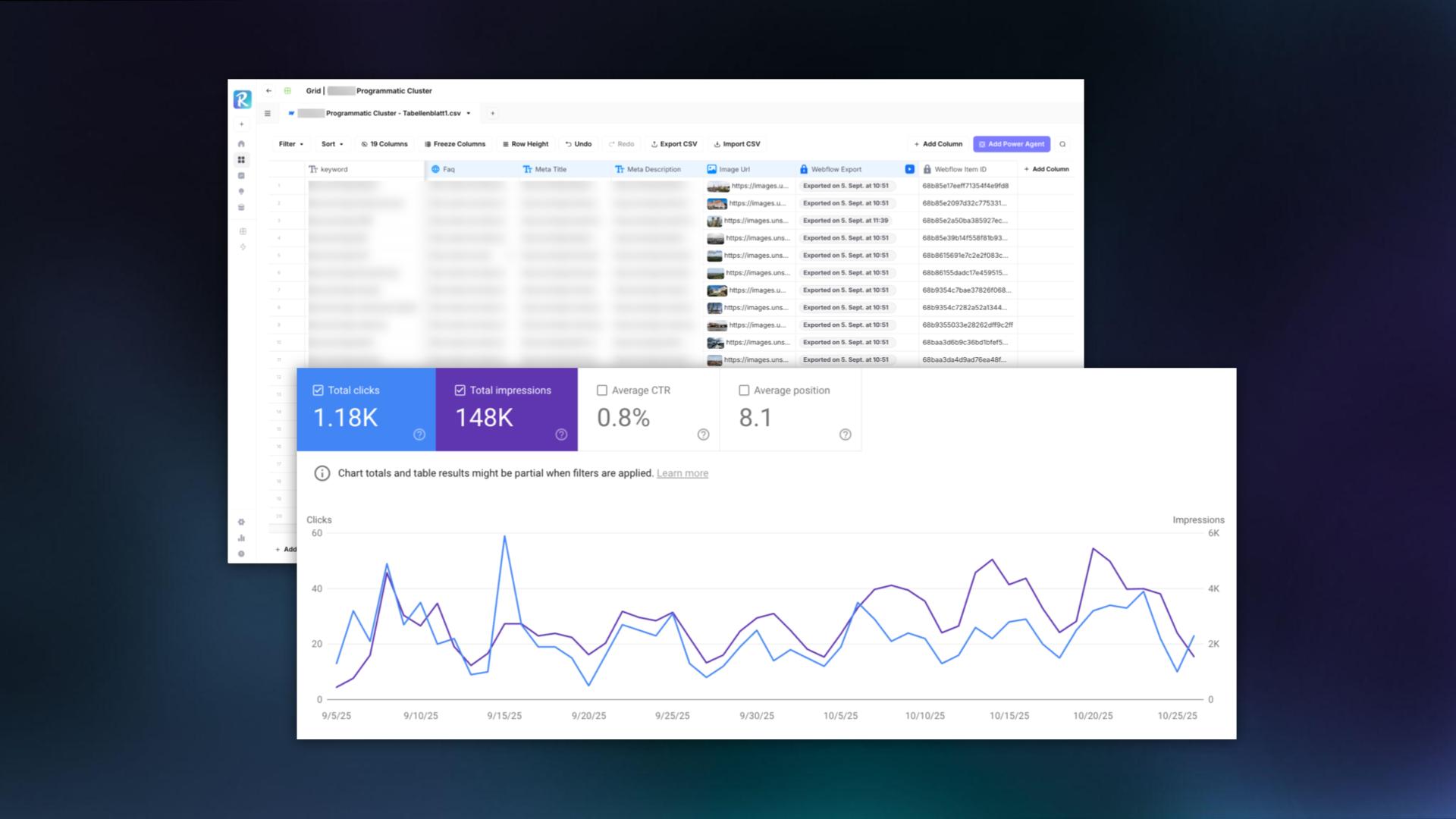 Programmatic SEOHow we launched a 247 page programmatic SEO cluster that drove 60+ leads in less than six months
 SEO StrategyContent Production
 How Enter grew to >500 monthly organic leads across solar, heat pumps & energy management
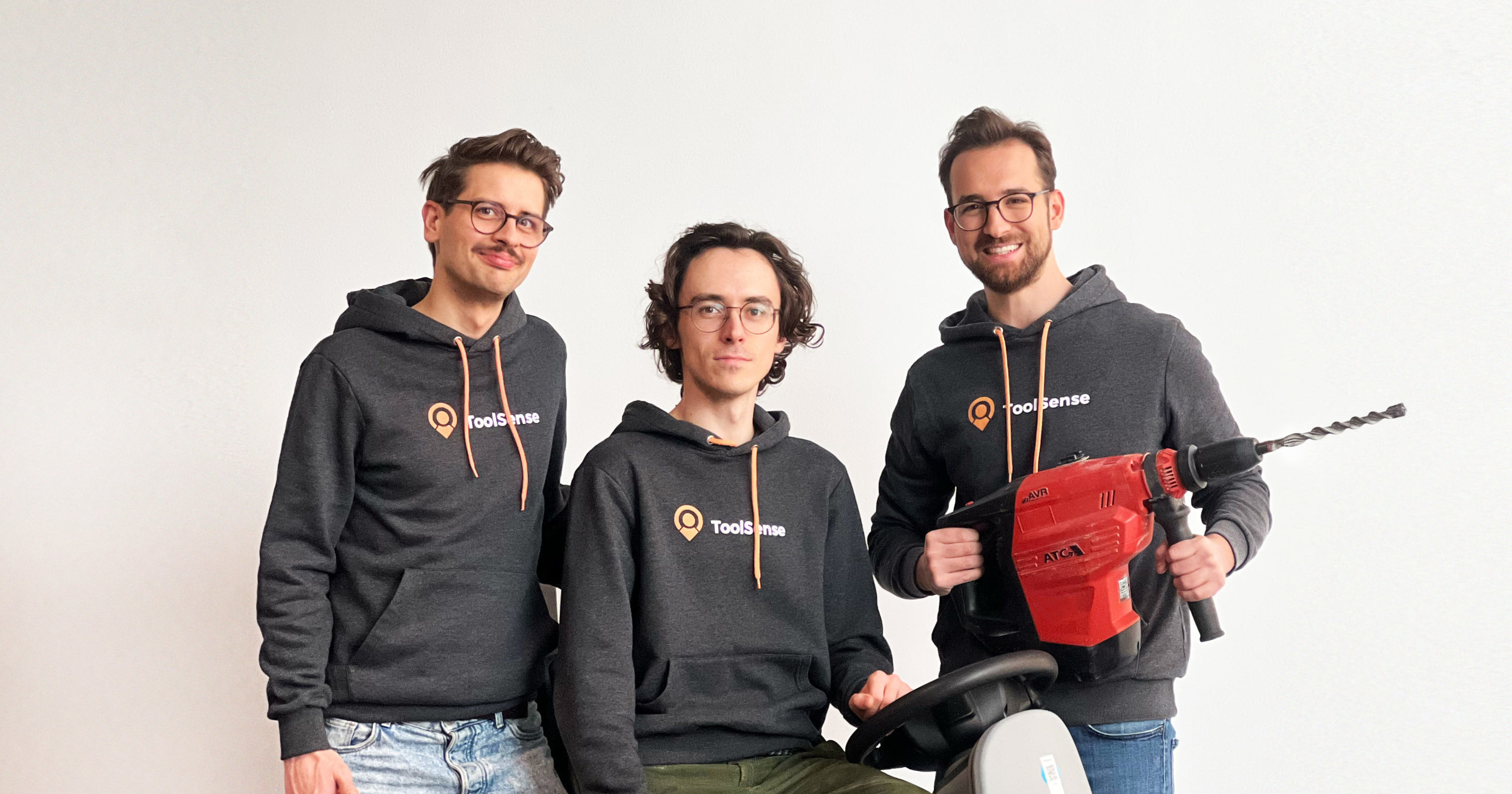 SEO StrategyContent Production
 How we 10×'ed leads from SEO in just 2 years for B2B SaaS ToolSense
 Coming soonSEO StrategyAI Search (AEO / GEO)How we helped Allianz Suisse accelerate organic lead generation
 Coming soonSEO StrategyAI Search (AEO / GEO)How the German Unicorn osapiens grew organic Enterprise & SMB pipeline
How we work and what we believe in
The 15 opinions we run on.
What others say about working with Radyant
They can say it better than we ever could
“I have worked with a lot of agencies over the years. Radyant works like a really great business partner. Relentlessly curious, doing their own research, experimenting, constantly rebuilding their own processes, and that goes straight into the client work. No outdated playbooks, just straight expertise, full dedication to providing the best for their clients - and just great people to work with! If you want to know what works in search right now, Niklas and his team are who I would ask!”

Head of Web, Pipedrive
“We took Heyflow from #9 to #1 in AI Search visibility in 6 months and 3x'ed MRR pipeline. The only channel that converts better? Referrals, people who actually recommend Heyflow to others. Huge shoutout to Niklas Buschner and the team at Radyant who helped us build the foundation for this.”

CEO & Co-Founder, Heyflow
“We set clear goals from day one: more leads, better attribution, and a presence in AI search. Nine months in, organic leads have more than tripled and AI search has become a real acquisition channel for us. The team at Radyant knows what they're doing.”
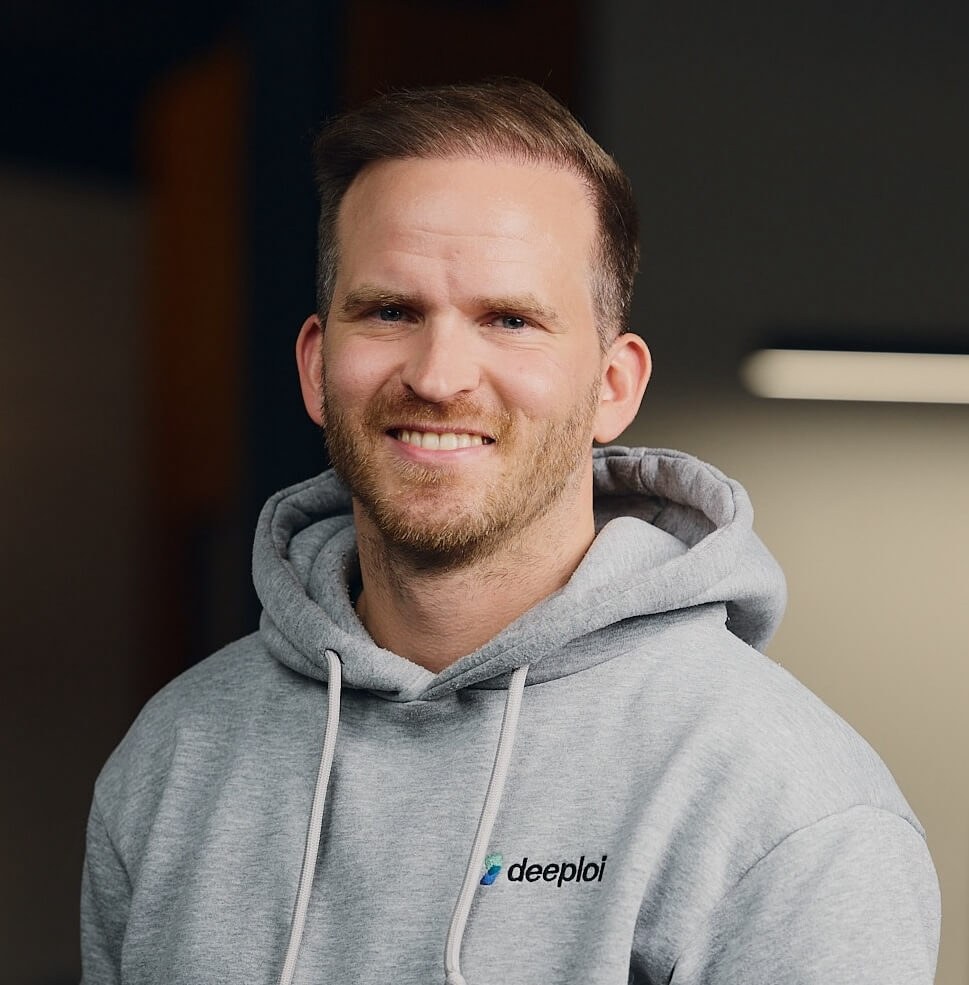
Co-Founder & CEO, deeploi
“Growth doesn't come from playing it safe. It comes from running smart experiments. With Radyant, in less than a week we shipped 247 AI-powered pages. Ambitious, data-driven, ready to push boundaries.”

Co-Founder, Planeco Building

“We tested very innovative SEO approaches with Radyant that are already bearing fruit and have helped us take the next big leap. The team always goes the extra mile, not only on SEO, but wherever there's an urgent need.”

CEO & Co-Founder, Planeco Building
“We've been working very successfully with Niklas and the team since 2022. Absolute marketing experts. I can recommend them 100%. We got really lucky to hire them.”

Co-Founder, Enter
“The team is fully committed, highly motivated, and does great work. They independently bring very good ideas and take care of high-quality implementation. I can fully recommend working with them.”

CEO & Co-Founder, ToolSense
These are the questions we typically get
Pricing, attribution, effort, scope, fit. The parts you would normally need a sales call for.
How is this different from a traditional SEO agency?
Most SEO agencies work toward rankings and traffic. We work toward pipeline and revenue. Everything that follows looks different because of that.
We optimize for ChatGPT, Claude, Perplexity, Gemini, Copilot, and Grok the same way we optimize for Google, because that is where your buyers now research. We build content with your internal experts and customers instead of commissioning generic articles. And we report against revenue in your CRM, not rankings in a third-party tool.
Should we build this in-house instead?
It is rarely either/or. Almost every company we work with already has someone on this. Sometimes one person who owns organic next to three other jobs, sometimes a team of three. The question is not usually whether to hire, it is what those people should be spending their week on.
The person who owns organic internally usually spends most of the week coordinating. Chasing sign-off, briefing, following up on feedback, keeping four stakeholders aligned. Very little of it moves the number.
We take the production and the analysis. They keep the relationships, the internal decisions, and the judgment calls that need someone inside the company. That is not the same as replacing them. It is also the arrangement that works.
Building the whole capability in-house is a real option if you want to own it long term. It means staffing SEO, AI Search, content production, digital PR and conversion, which is three or four hires and a tooling budget, and most teams find the target arrives before the team does. If we think you would be better off hiring, we will say so on the first call.
How long until we see results?
We come to kick-off with a 3-month growth roadmap drawn from your audit data, so day one is execution, not "tell us about your product". The first 30 to 60 days are setup. We connect to your data, run interviews with your internal experts, and start shipping the first conversion improvements on pages that already get traffic. Conversion lifts usually show up inside this window.
AI citations start moving two to four weeks after structural fixes ship, tracked in Peec AI. Compounding pipeline lift from new organic surfaces shows up in months three to six. Growth Partnerships are scoped at twelve months with an opt-out after month six because the work compounds on that curve.
What does pricing actually look like?
Two engagement models. A Project starts at €10,000 for a defined one-off: a bulk optimization of legacy content, a programmatic content build, an AI visibility assessment, or a custom scope. A Growth Partnership starts at €7,000 per month and scales with scope, with a twelve-month commitment and an opt-out after month six.
The initial audit is free. We do not offer a low-end retainer tier. If lowest price is the priority, we are not a fit. Exact scope and pricing come out of the 90-minute deep dive after we have looked at your actual surface area.
Who exactly will be working on our account?
A Growth Partnership is staffed with a C-level strategic partner, a Team Lead for Organic Growth, a Senior Growth Strategist, a Senior Content Strategist, and a Senior Designer. Named people, not a pool. The strategists who plan your work also run it, and there is no account manager in between.
You reach them in a shared Slack or Teams channel rather than through a ticket queue.
AI does the heavy lifting underneath: pulling data, drafting briefs, surfacing opportunities, generating first-pass content from your expert interview transcripts. Every meaningful decision is made by a senior human, and every brief and every page passes through that team before it goes live.
How do you actually attribute revenue to AI Search? Click-based seems to miss most of it.
Right, click data misses most of it. We pair three things to get a real picture, and we can set them up in about a day:
One: a GA4 custom channel group with the AI platform hostnames (chatgpt.com, perplexity.ai, gemini.google.com, copilot.microsoft.com, claude.ai, grok.x.ai). This catches the clicks that do happen.
Two: a required free-text "How did you hear about us?" field on every conversion form, auto-categorized into your CRM via Make.com or n8n plus the OpenAI API. Free-text beats dropdowns.
Three: a required "Verbal Source" CRM field that gates deal progression past discovery, plus optional Gong or Chorus keyword alerts so the AI tools mentioned on sales calls are captured too.
Together, these surface how AI Search actually contributes to pipeline, not just the slice that clicks reveal.
Out of all of it comes one headline metric: organic-sourced pipeline, attributed inside your CRM, broken down by page, query, channel, and ICP segment. The number we report is the same number your CFO sees. Underneath it we watch citation share across AI surfaces, conversion rate by page, and lifetime value by source.
Do you guarantee rankings, traffic, or pipeline?
No, and we would not trust an agency that did. Search behavior, AI model updates, and competitive pressure are not anyone's to control. What we commit to is how we work: weekly shipping, decisions tied back to your CRM, and the editorial standard on every piece we publish.
Where we set a target is on outcomes. Organic becomes a primary source of pipeline inside three to six months. If we are not on track, you see it in the same dashboard we do.
How much of our team's time does this cost?
Most of it up front, very little after that. Onboarding is the expensive part for you: interviews with your product, sales, and support people, access to your data, and a few rounds of feedback while we learn what good sounds like in your category.
After that the goal is that you only review what you have to. You see what is coming in a shared dashboard, and in most companies the loop narrows to the calls that are genuinely yours to make. Most clients get there a few months in.
In regulated industries it does not narrow much, because factual and legal sign-off is not optional. We pace the roadmap to your review capacity instead of pretending it away.
The standing commitments are small: a shared Slack or Teams channel for async questions, bi-weekly strategy calls, and optional quarterly reviews in person.
Who writes the content, and who publishes it?
We write it. Briefs, drafts, and final copy come from our content strategists, built on interviews with your internal experts rather than on what is already ranking.
On your own site we publish directly where we have CMS access, and that is what makes the pace possible. Where it is not possible, and in regulated industries it usually is not, we deliver into your workflow and your team publishes. We work that way with an insurer today.
On social we draft and you post. A LinkedIn post from your founder has to come from your founder's account, so we supply the copy and the angle and your people press publish.
Do you also do paid media, brand, or PR?
No paid media. We integrate signals from your paid platforms because they tell us what buyers actually want and which offers convert, but we do not run paid campaigns ourselves. We work alongside your in-house paid team.
Digital PR is in scope, because off-site citations are one of the strongest levers for both AI Search visibility and traditional rankings. We work from data first. We build a campaign around proprietary data you already own, an external dataset we shape into a story, or a new study we run together. We handle the narrative, the visuals, on-site publication, distribution across your owned social channels, and direct outreach to publishers in your category. The output is real coverage that earns lasting citations, not press releases nobody reads.
Do we need to give you access to our CRM, analytics, and ad platforms?
Yes. Read-only access in most cases. We connect to HubSpot or Salesforce, GA4 or your equivalent, Google and Meta ad platforms, your customer support tool, and any community or call-recording tool you use. We sign a DPA and use the minimum access needed.
If we cannot see the data, we cannot optimize for revenue. We can start without full access, but the recommendations are weaker until the picture is complete.
We have a legal and compliance review. Does that work?
Yes, and we would rather plan around it than be surprised by it. We work inside review chains today, including one at an insurer where every article passes subject-matter specialists, legal, and brand before it goes live.
What that changes: we write to your legal guidelines from the brief rather than after the first round, we track which corrections came back so the same one is never made twice, and we pace the roadmap to your review capacity rather than to ours. Comparison content against named competitors is a legal question before it is a marketing one, so we bring the draft and the reasoning instead of the finished page.
The same applies to access. If your CMS is closed to outsiders, we deliver into your workflow. If your CRM is, we build the reporting from what we can see. One client runs four languages this way, written per market rather than translated.
Do you work with our existing content team or replace them?
We work with them. That is the normal case, not the exception: most of our clients have one to three people who already own this, and the point is to make those people faster rather than redundant.
The split is usually ours to produce and analyse, theirs to decide and to carry internally. We can also go the other way and hand you strategy, briefs and editorial review while your team writes. Both work. What matters is that it is agreed in week one rather than discovered in month three.
What does not work is being placed as a vendor below an in-house team, with no line to the people who set the strategy. The work depends on the strategy and the execution being on the same page.
Do you write in English and German, or just translate?
We write both. A translated page reads like one, and it misses the queries people actually type in the second market. Those are rarely the same queries.
Each market gets its own research and its own copy. Where a piece works in both, we adapt it rather than run it through a translator. One client runs four languages that way.
Do you work with our competitors?
Yes, sometimes. We check before we start and tell you what we find, and if there is a real overlap we say so before you sign. If one comes up later, you hear it from us first.
We do work with more than one company in a category when they are not chasing the same buyers. Learnings, data and content never move between accounts.
Are you the right fit for our company size or industry?
The model is built for B2B first, SaaS especially, and it runs from funded scale-ups through Mittelstand and enterprise. We have deep working experience across HR tech, MedTech, ClimateTech, PropTech, Fintech / RegTech, and industrial B2B. Planeco Building is one example (PropTech / ClimateTech), where we 5x'd leads in about 10 months. We work across categories, but we are not generalists.
What we look for: a proven offer, real demand in your category, and assets worth surfacing. Proprietary data, technical depth, an underused video or research library, or a customer base with specific knowledge. If we have not worked an analogous market, we will say so in the first call rather than learn on your retainer.
We're starting from zero. Is it too early for us?
Starting from zero is fine, and often the easier case: there is nothing to undo, and the first pages can be built the way they should have been built. Enter is the closest example we have. There was effectively no organic when we started, and it now runs more than 500 organic leads a month.
What is not fine is starting before you know who you serve, what you do better than the alternatives, and what outcomes you can stand behind. If those are still moving, you will burn budget on content that has to be rewritten. Fix positioning first and come back. We are happy to point you to people who do that work well.
A relaunch is not a reason to wait either. We would rather be in the room while the new site is being built than optimize it afterwards.
What happens if we want to stop working together?
A Project ends when the deliverable ships. A Growth Partnership runs for twelve months with an opt-out after month six and a 30-day notice period afterwards. You keep the content, briefs, expert interview transcripts, and full access to your data, because none of it was ours to begin with. Our internal tooling stays with us, but we hand off documented playbooks so your team can keep running the work in any tool you choose.
What is the first step?
Run the audit. It is free and gives you an honest read on your current SEO and AI visibility. If the read shows real room to move, book a 30-minute meeting and we will walk through it together. If it shows organic is not the bottleneck for you right now, we will tell you that too.