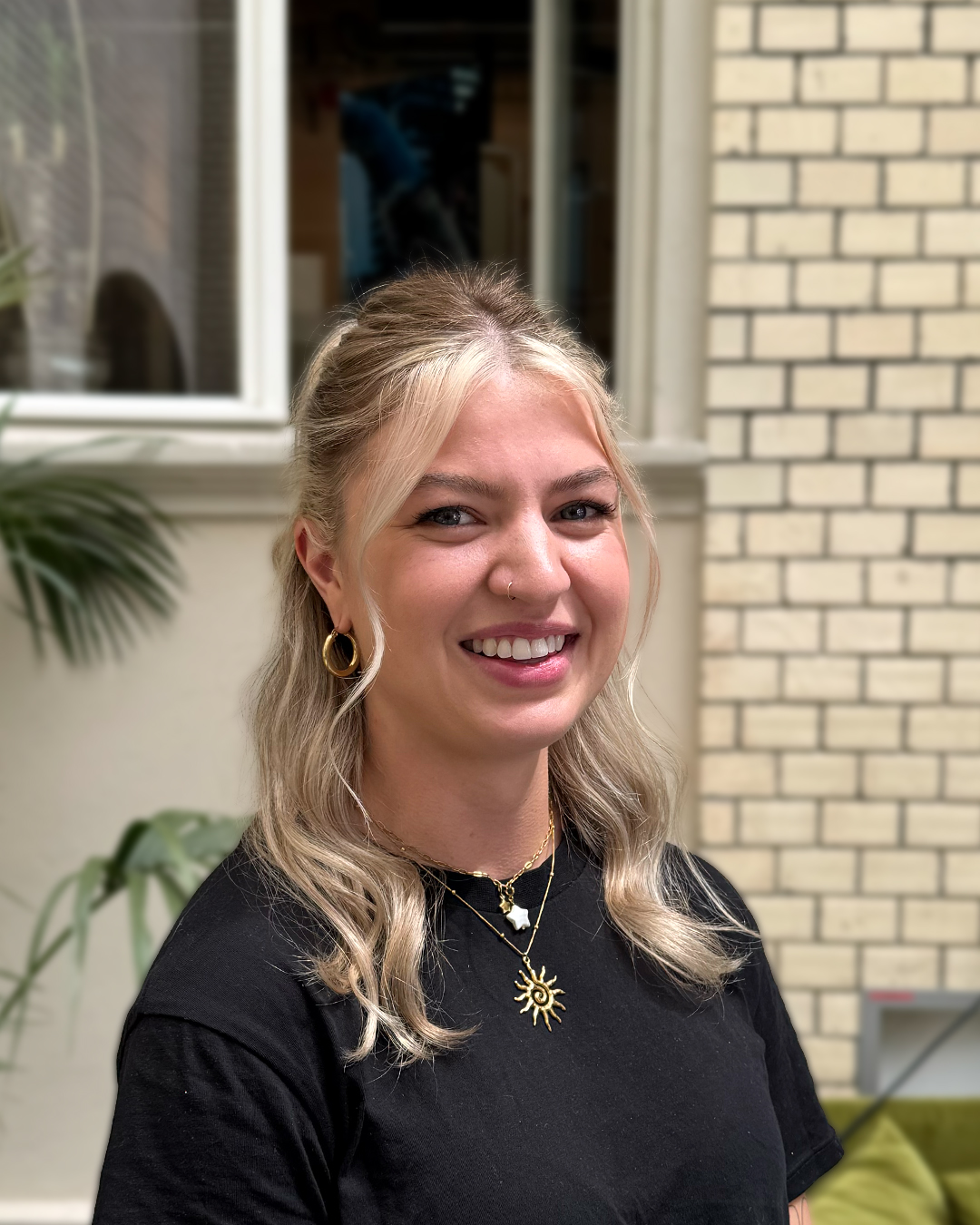
We took Heyflow from #9 to #1 in AI search visibility in 6 months and 3×'ed MRR pipeline. The only channel that converts better? Referrals, people who actually recommend Heyflow to others. Huge shoutout to Niklas Buschner and the team at Radyant who helped us build the foundation for this.

How B2B SaaS Heyflow 3×'d MRR pipeline in 6 months
Heyflow's MRR pipeline from AI leads grew 3x in 6 months, and AI Search visibility climbed from 7% to 52%. One playbook ran across on-site content and off-site presence, both aimed at pipeline growth.
- 3×MRR pipeline in 6 months
- 7% → 52%AI Search visibility
- #9 → #1AI Search ranking
- 2×AI citation rate
Executive summary
- MRR pipeline tripled in 6 months, from AI Search leads alone
- AI Search visibility climbed from 7% to 52%
- AI citation rate more than doubled to 3.8
- Initiatives spanned on-site content and off-site presence
- Editorial content built from real Heyflow product walkthroughs
- Shipped 5 high-intent programmatic clusters in days, at quality
- Optimized Heyflow's YouTube videos against real tracked search prompts
3.2×mrr pipeline from ai leads, relative to nov 2025
Nov2025
Dec2025
Jan2026
Feb2026
Mar2026
Apr2026
Source: Radyant / Heyflow internal reporting
Heyflow is the no-code funnel and form builder behind fast-growing demand engines
Heyflow lets product, marketing, and growth teams build no-code funnels and forms that convert paid traffic into qualified leads. The product is used across B2B SaaS, e-commerce, energy, financial services, and recruiting by teams running serious paid acquisition.
The buyer journey is long and research-heavy: prospects compare tools across dozens of touchpoints, ask ChatGPT which funnel builder fits their ad platform, and read Help Center docs before they ever start a trial. AI Search is the layer where most of that research now lands, and it was also the layer where Heyflow was showing up far too rarely.
How we got there: the playbook behind the numbers
Five of the highest-impact initiatives, sequenced around pipeline.
Several strategic initiatives, working together
Our partnership started in December 2025. We started with roughly 7% AI Search visibility, and trial volume growing, but not fast enough. Organic simply hadn't been built as a lead-gen channel yet. From day one, we set shared goals with Amir's team: trial volume, ICP quality, and MRR pipeline.
From there, we built a strategic playbook of initiatives designed to work together. Product-led content built the foundation, programmatic clusters gave it scale, and Help Center optimization did double duty as a citation source in its own right and a knowledge base other content could draw from. Offsite presence extended reach to the sources AI engines trust most.
the plan
Trial volumeICP qualityMRR pipeline
initiatives
- 01Product-led editorial content
- 02Programmatic clusters
- 03YouTube video optimization
- 04Help Center optimization
- 05Reddit presence
- 06Review platforms & LinkedIn
Product-led editorial content that pre-sells the product
People searching "quiz funnel examples" or "how to build a lead funnel for recruiting" are picturing a solution they can use, not just inspiration. Articles that show working examples built in Heyflow arrive pre-qualified.
We built editorial pieces this way: real examples, real use cases, never a generic listicle. The content piece about quiz funnel examples became one of the top traffic pages on the site, and the distance from reader to trial collapsed.
Programmatic SEO: 5 clusters across high-intent topics
We built and published entire clusters in days, at quality. Speed was a strategic choice, grounded in the shared goal of moving pipeline numbers fast.
By now we've launched 5 programmatic clusters across high-intent topics: tracking and analytics, integrations like connecting a funnel to Monday.com, form types for specific target groups, and competitor alternative pages. Each cluster page draws on Help Center documentation, product specs, and input from the Heyflow team, so it answers a real job to be done instead of padding a template.
Help Center, rewritten to be a citation engine
The Help Center had real depth, product accuracy, step-by-step instructions, but it wasn't structured to be found or cited. We ran a systematic pass: title rewrites, heading structure, use-case sections, feature-name precision.
Help Center articles started showing up as cited sources in AI answers, and began ranking in Google organic results too. Try it: type "how to connect Heyflow" into Google.
Offsite initiatives that 2×'d the AI citation rate
AI citation rate more than doubled, and total citations climbed by 13,555, over six months. Our approach was to identify the off-site sources with the biggest leverage, then find different ways to enter the conversation there: YouTube, Reddit, LinkedIn, and review platforms.
On Reddit, we found the exact threads where buyers compared funnel builders, then had Amir engage under his own account, a founder's voice reads differently than a brand's. The same logic shaped his LinkedIn Pulse posts and a stronger presence on review platforms.
32 Heyflow videos regularly cited, and showing up natively inside Google AI Overviews
We cross-referenced Heyflow's existing YouTube library (under 1,000 subscribers, zero AI citations) against the tracked prompt set, then rewrote titles and descriptions. From February, when the optimizations went live, through May, 32 videos were regularly cited, the top one retrieved 110 times in a single month, and several started showing up natively embedded inside Google AI Overviews, thumbnail and all.
There's a lot more to say about what made this work, so we wrote the full breakdown. Check it out.
What we reached
We set these goals together with Amir's team from day one: trial volume, ICP quality, and MRR pipeline. Everything we created was measured against them.
3× MRR pipeline in 6 months
MRR pipeline tripled over six months. To be clear about what that means: these are AI Search leads only, people who landed on Heyflow's website coming from ChatGPT, Claude, Google AI Overviews, and similar tools. Leads from every other channel come on top.
Amir described it plainly in his LinkedIn post: the only acquisition channel that outperforms organic on conversion at Heyflow is referrals, people who already know and trust the product and recommend it to others. That's what organic becomes, SEO and AI Search together, when you build it right. Buyers arrive already informed, already with a picture of what they want to build, asking the specific question that Heyflow is the answer to.
3.2×mrr pipeline from ai leads, relative to nov 2025
Nov2025
Dec2025
Jan2026
Feb2026
Mar2026
Apr2026
Source: Radyant / Heyflow internal reporting
52%ai search visibility, validated 100-prompt non-brand tracking
Dec2025
May2026
Source: Peec AI, non-brand prompt tracking
AI Search visibility from 7% to 52%
Visibility itself became one of the clearest results. The tracked prompt set grew from 25 to 100 non-brand queries as we learned which framings buyers actually use, sourced from top-converting ad terms, Search Console data, and interviews with Heyflow's product and CS teams. By May, Heyflow held 52% visibility and the #1 spot, with a gap to the next competitor large enough to hold through a category-wide shift.
How we work together with the Heyflow team
The collaboration behind the playbook and the results above.
SEO, AI Search, and content run as one loop at Radyant. The strategy was built against Heyflow's specific goals, product, and buyer journey, in close, weekly exchange with Amir and the Heyflow team.
Speed was a deliberate choice. When something worked, we scaled it fast. When something didn't, we adjusted.
Every product and audience is different, so what worked for Heyflow's buyer journey, quiz funnels, integrations, comparison threads, doesn't transplant blindly to another client. What carries over, and what made the difference here, is how closely we work: proactive, with real stake in the outcome.
The Radyant crew
The key people behind this case study
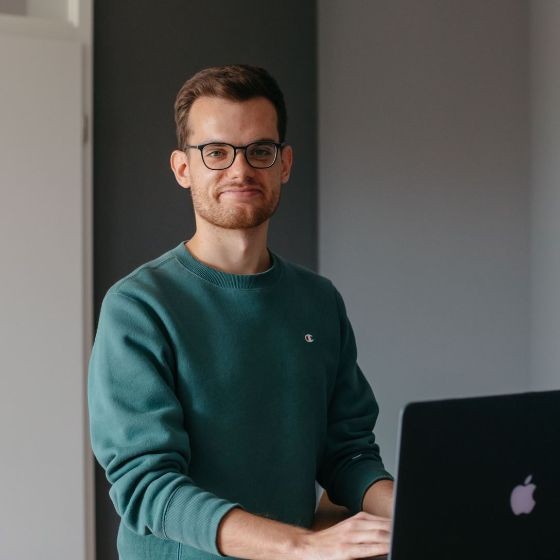
Justin Bachmann
Senior Growth Strategist
Obsessionconcerts
In Search since2020
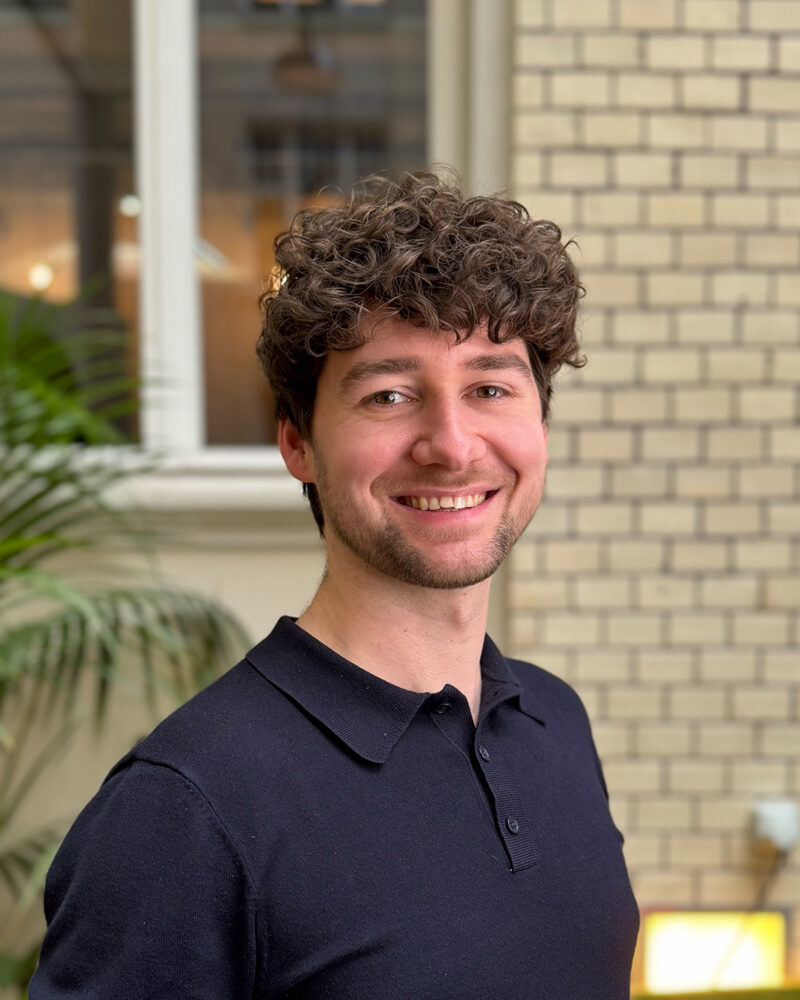
Yannick Reihs
AI Search Strategy Lead
Obsessionpeec ai
In Search since2024
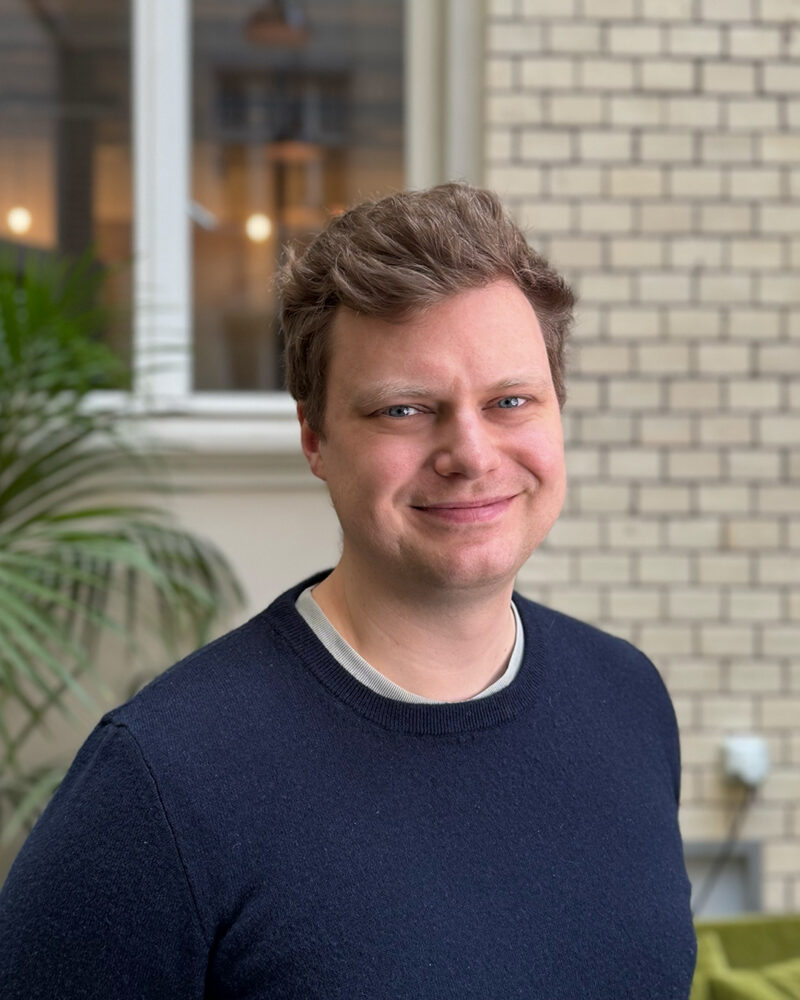
Niklas Buschner
Founder & CEO
Obsessionclaude code
In Search since2013
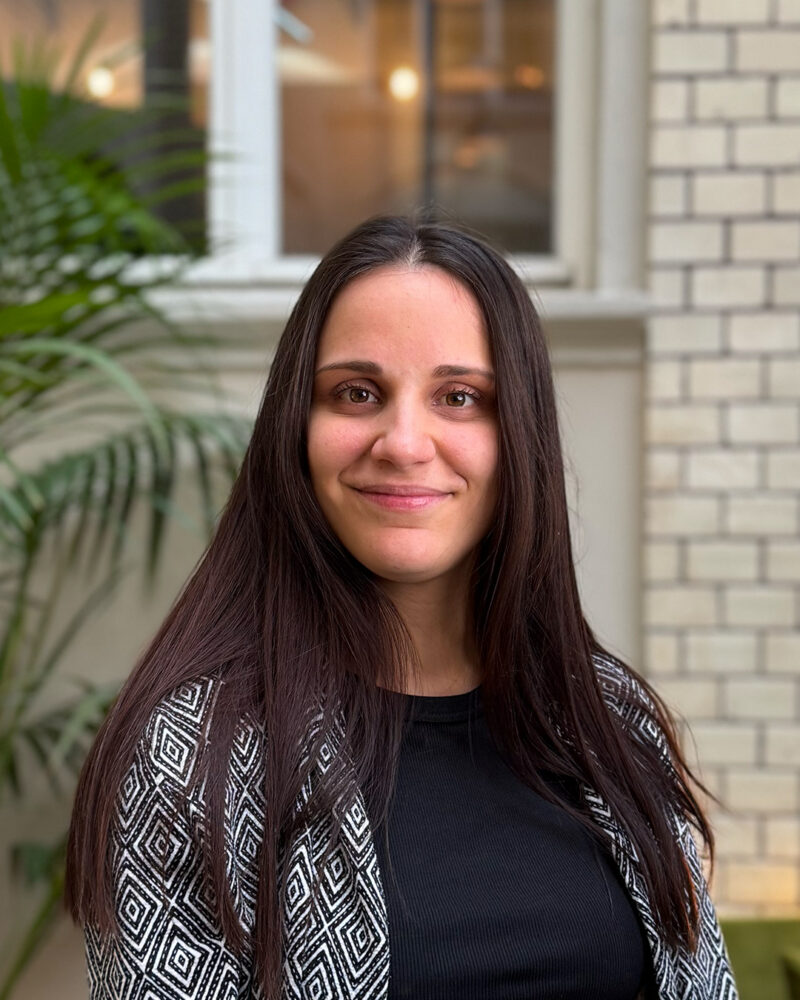
Annalisa Ivaldi
Growth Strategist
Obsessionwriting
In Search since2021
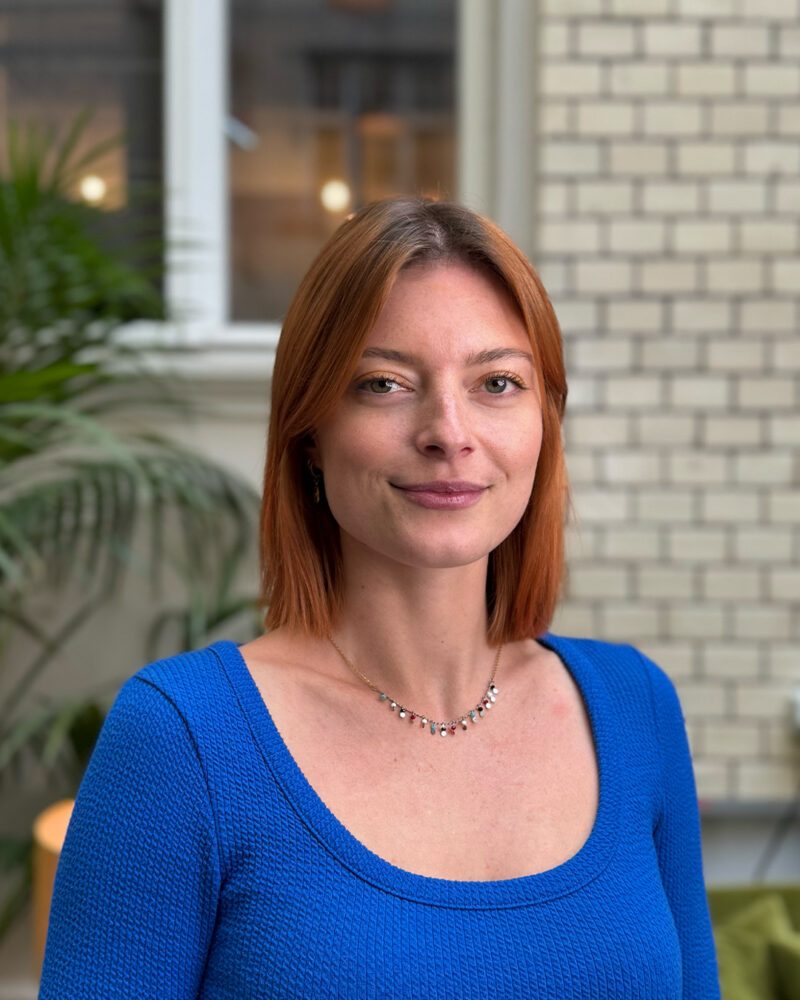
Jessica Ehrhardt
Chief Growth Officer
Obsessionrocycle
In Search since2021
What others say about working with Radyant
They can say it better than we ever could
“I have worked with a lot of agencies over the years. Radyant works like a really great business partner. Relentlessly curious, doing their own research, experimenting, constantly rebuilding their own processes, and that goes straight into the client work. No outdated playbooks, just straight expertise, full dedication to providing the best for their clients - and just great people to work with! If you want to know what works in search right now, Niklas and his team are who I would ask!”

Head of Web, Pipedrive
“We took Heyflow from #9 to #1 in AI Search visibility in 6 months and 3x'ed MRR pipeline. The only channel that converts better? Referrals, people who actually recommend Heyflow to others. Huge shoutout to Niklas Buschner and the team at Radyant who helped us build the foundation for this.”

CEO & Co-Founder, Heyflow

“We set clear goals from day one: more leads, better attribution, and a presence in AI search. Nine months in, organic leads have more than tripled and AI search has become a real acquisition channel for us. The team at Radyant knows what they're doing.”
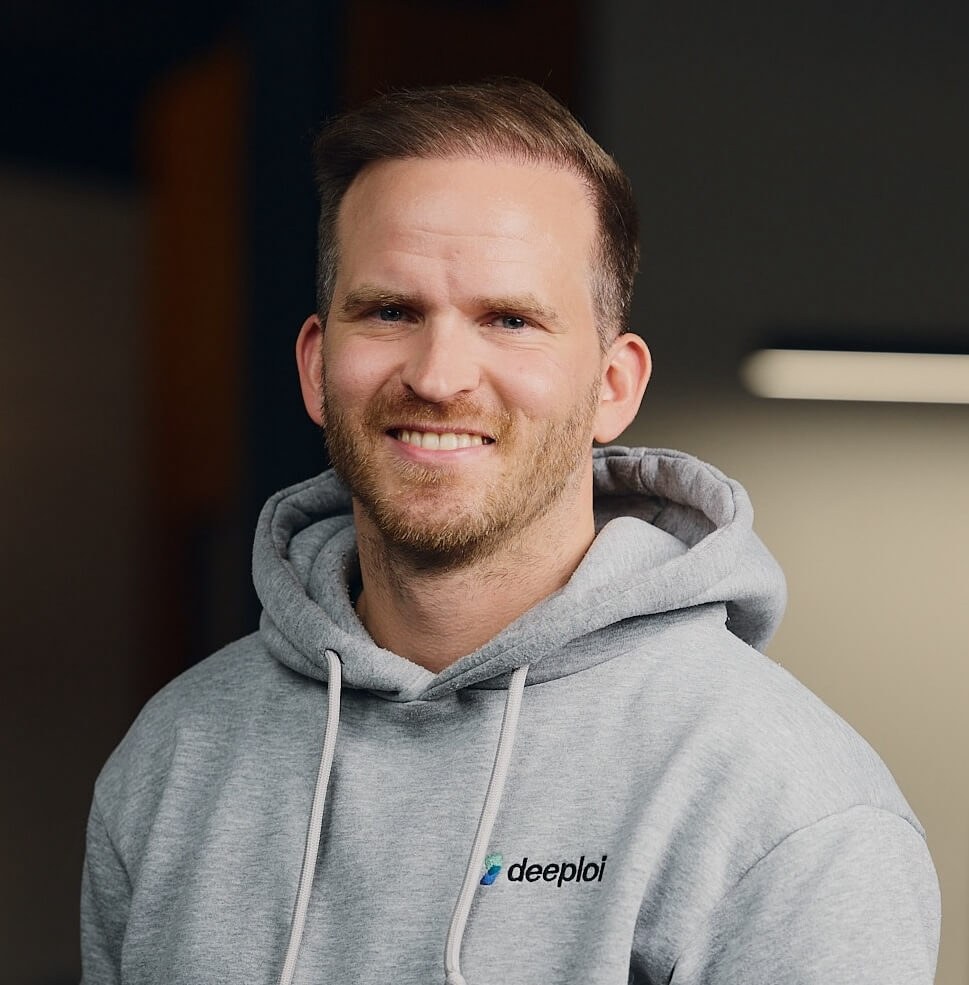
Co-Founder & CEO, deeploi

“Growth doesn't come from playing it safe. It comes from running smart experiments. With Radyant, in less than a week we shipped 247 AI-powered pages. Ambitious, data-driven, ready to push boundaries.”

Co-Founder, Planeco Building
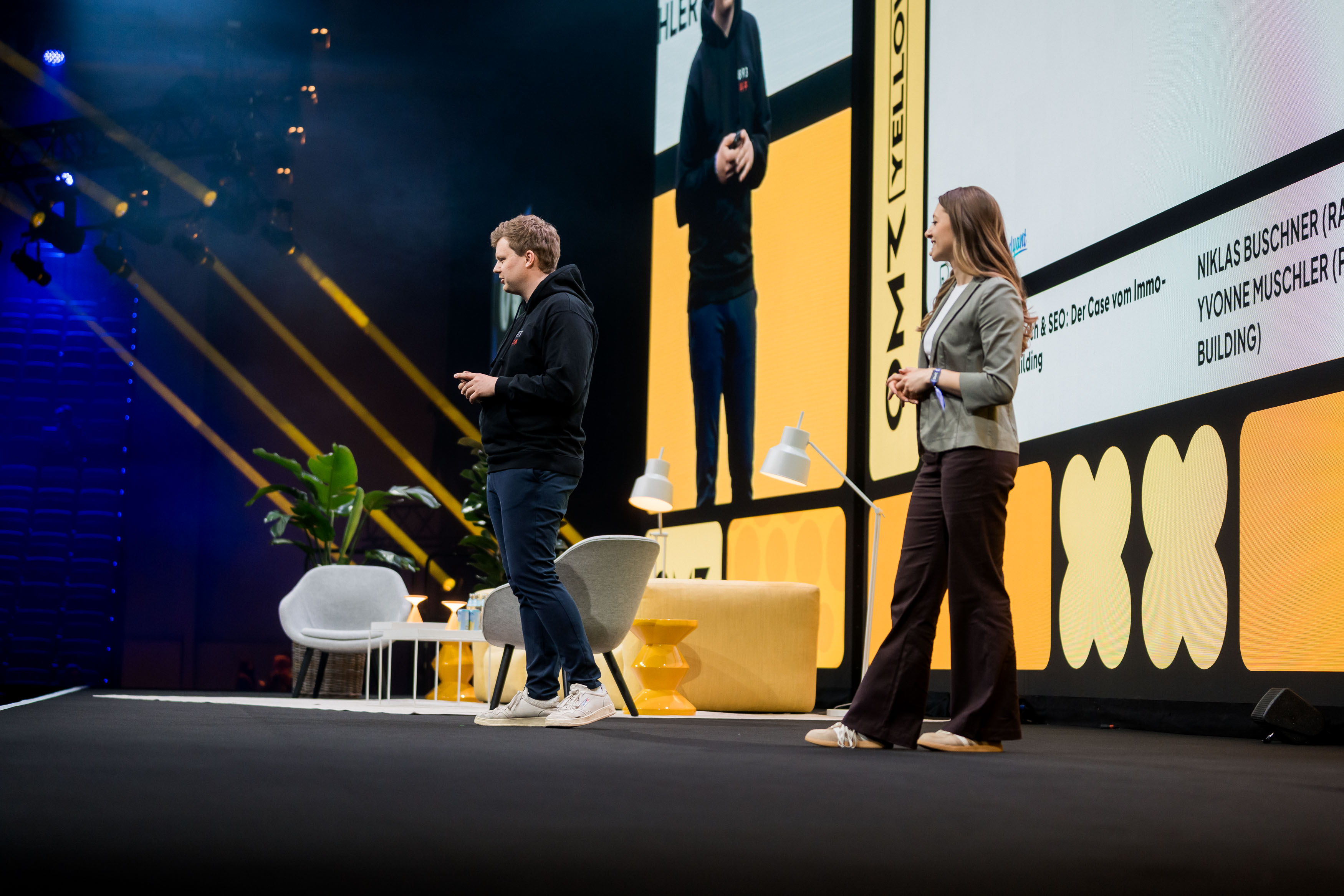
“We tested very innovative SEO approaches with Radyant that are already bearing fruit and have helped us take the next big leap. The team always goes the extra mile, not only on SEO, but wherever there's an urgent need.”

CEO & Co-Founder, Planeco Building
“We've been working very successfully with Niklas and the team since 2022. Absolute marketing experts. I can recommend them 100%. We got really lucky to hire them.”

Co-Founder, Enter

“The team is fully committed, highly motivated, and does great work. They independently bring very good ideas and take care of high-quality implementation. I can fully recommend working with them.”

CEO & Co-Founder, ToolSense